
Is your freezer acting up, causing more frustration than convenience? You might be dealing with a clogged defrost drain.
Understanding the location of your freezer’s defrost drain can be a game-changer in maintaining its efficiency and extending its lifespan. Imagine opening your freezer to find it perfectly cold, without any annoying puddles or frost buildup. This small insight can save you time, money, and prevent future headaches.
You’ll discover exactly where to find the defrost drain in your freezer, empowering you to tackle minor issues like a pro. Let’s dive in and uncover the secret spot that keeps your freezer running smoothly. Keep reading to transform how you manage your appliance!
Common Freezer Types
Upright freezers stand tall. They look like fridges. Food is easy to reach. The defrost drain is often at the back. This makes cleaning simple. These freezers use less floor space. They fit in small areas. Shelves help organize food. Keep the freezer tidy.
Chest freezers are wide. They open from the top. They hold more food than upright freezers. The defrost drain is at the bottom. This helps water flow out during cleaning. They use more floor space. But they are great for bulk storage.
Built-in freezers match kitchen styles. They fit inside cabinets. The defrost drain is usually hidden. These freezers look neat and tidy. Less space for food. But they offer a stylish look. Perfect for modern kitchens.

Credit: www.cookist.com
Tools Needed
A screwdriver is often needed. It helps remove panels. A flashlight can be useful. It helps see inside the freezer. A soft cloth is good for cleaning. It helps remove dirt and dust. Be gentle with these tools.
A multimeter helps check electrical parts. It finds problems in wires. A shop vacuum can be helpful. It removes water quickly. A hair dryer can speed up defrosting. Warm air helps melt ice fast. Remember, use these tools carefully.
Identifying Drain Location
The manual is the best place to start. Find your freezer’s model number. Look up the manual online if you lost it. Manuals often have detailed diagrams. These diagrams show the exact drain location. Follow the steps in the manual carefully. This helps avoid damage. The manual may also have tips. Tips can help with cleaning the drain.
Search for your freezer model online. Many websites have guides. Guides can be in video or text format. Videos show step-by-step instructions. Text guides are good for quick reading. Some forums have discussions. People share experiences and solutions. Use trusted websites. Reliable sources provide accurate information. They can help you find the drain easily.
Steps To Locate The Drain
Wear gloves to protect your hands. Unplug the freezer before starting. Safety is very important. Use a flashlight to see better inside. Check if the floor is dry. Wet floors can be slippery. Keep children away from the area. Ensure pets are not near the freezer. Have a towel ready for spills. Be careful with sharp edges inside.
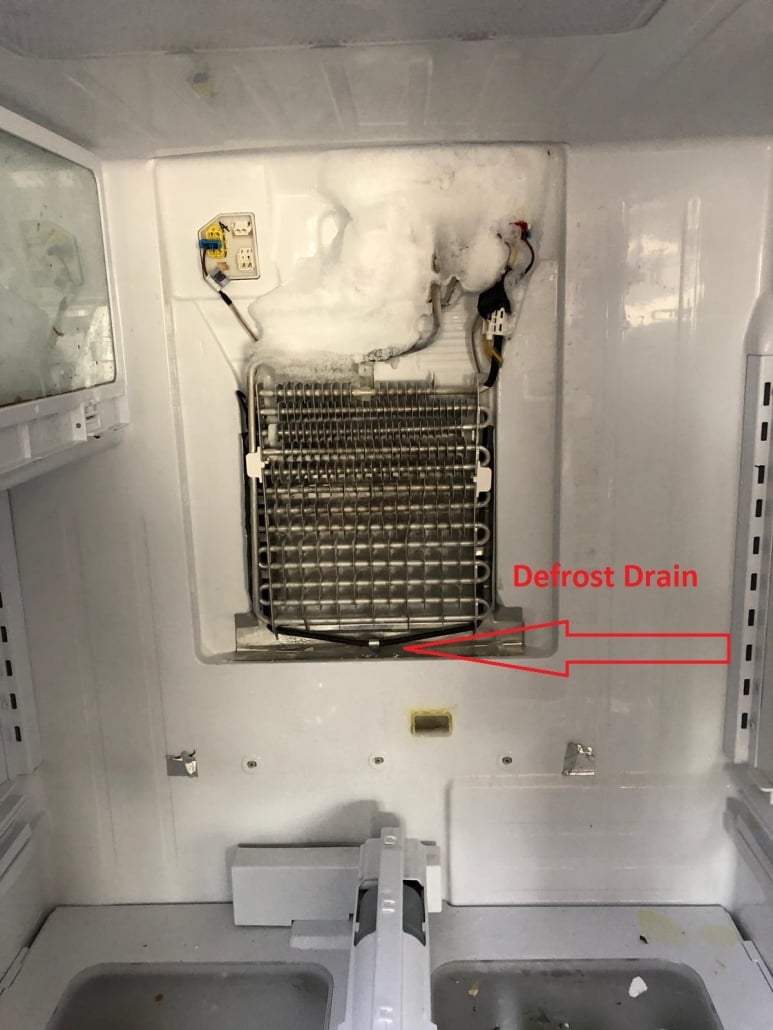
Find the freezer’s manual for guidance. Open the freezer door wide. Look at the back wall. Check for a small hole or channel. This is the drain. It might be near the bottom. Use a flashlight to see clearly. If you can’t find it, check the manual again. It will show the exact location. Some drains are behind covers. Remove the cover gently if needed. Do not force anything. Remember to plug back the freezer when done.
Troubleshooting Tips
Water puddles inside the freezer can cause trouble. This often happens because of a blocked defrost drain. Ice might build up and block the path.
First, unplug the freezer for safety. Locate the defrost drain at the back. Use warm water to melt any ice. A turkey baster works well for this. If that doesn’t help, a soft brush can clear blockages. Make sure to avoid damaging the drain. Regular checks can prevent future issues.
Credit: careandrepairs.ca
Maintenance Tips
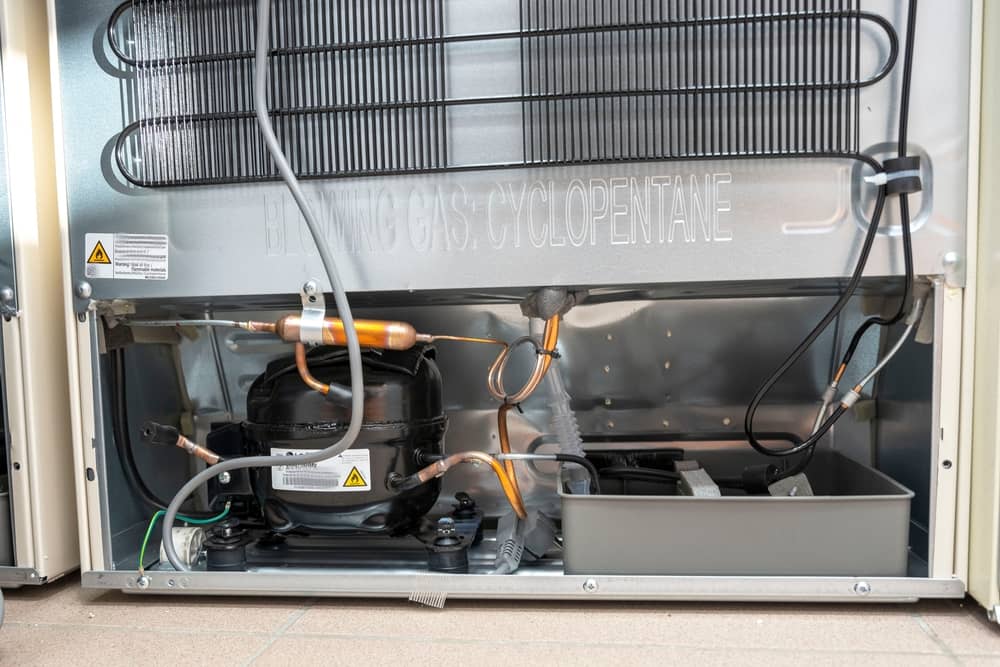
Dirt and food bits can block the freezer defrost drain. Cleaning it often helps. Use a soft cloth and warm water. Dry it well to stop ice buildup. A clean drain keeps your freezer working well. It also helps food stay fresh longer. Spend a few minutes on this task each month.
Small steps can keep your freezer in top shape. Always close the door tightly. Check the seal for any gaps. A tight seal stops warm air from getting in. Avoid overloading your freezer. Too much food blocks airflow. Good airflow keeps temperatures steady. Keep a small space between items for better air circulation.
Credit: ironmountainrefrigeration.com
Conclusion
Finding the freezer defrost drain is simple with the right steps. Regularly check and clean it to prevent clogs. This keeps your freezer working efficiently and avoids water build-up. Knowing the drain location saves time and hassle during maintenance. A clear drain ensures your freezer remains in top condition.
Follow these tips for a smooth running appliance. With this knowledge, you can handle minor issues yourself. Save on repair costs and keep your freezer running well. Happy defrosting!