
If your power goes out, keeping your freezer running becomes a top priority. But how do you know what size generator you need to keep your frozen food safe?
Choosing the right generator isn’t just about guessing—it’s about understanding your freezer’s power needs so you don’t end up with spoiled food or wasted money. You’ll learn exactly how to find the perfect generator size for your freezer. Stick with me, and you’ll never have to worry about a blackout ruining your meals again.
Freezer Power Basics
Choosing the right generator size for your freezer is important. You need enough power to keep the freezer running smoothly. Understanding the power basics helps you pick the right generator. This section explains what power your freezer uses and how to measure it.
Typical Wattage Range
Most home freezers use between 200 and 800 watts to run. Small freezers need less power, usually near 200 watts. Larger models, like chest freezers, can use up to 800 watts. Knowing the wattage helps you avoid buying a too-small or too-large generator.
Starting Vs Running Watts
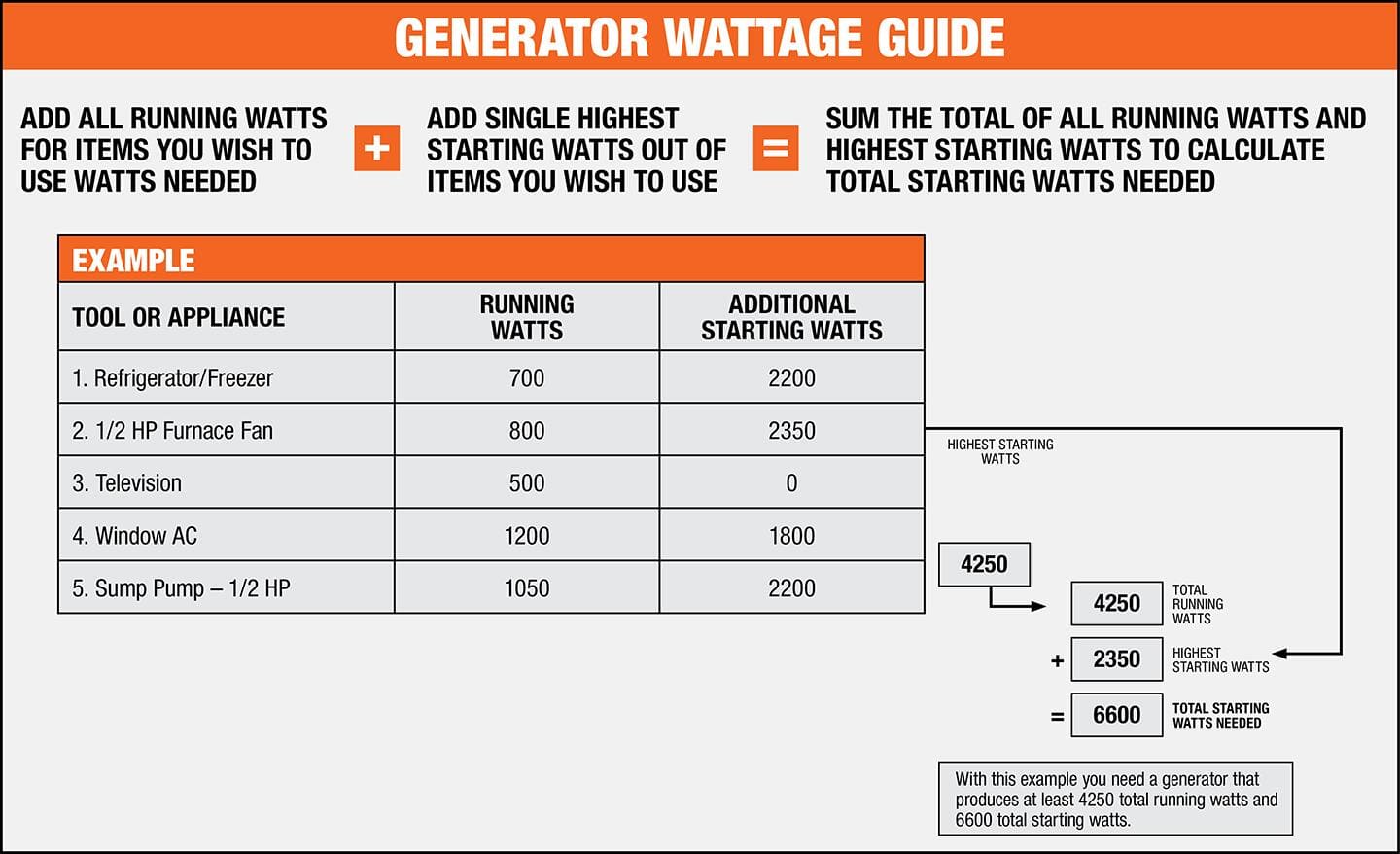
Freezers need more power to start than to run. This extra power is called starting watts or surge watts. Running watts are the power needed to keep the freezer working. A generator must handle both starting and running watts to keep your freezer safe.
Credit: www.homedepot.com
Calculating Your Freezer’s Power
Calculating the power needed for your freezer is essential before buying a generator. Generators must supply enough energy to keep the freezer running smoothly. Too little power can cause damage or stop the freezer. Understanding your freezer’s power needs helps choose the right generator size.
Check Manufacturer’s Label
Look for the label on the back or inside of your freezer. It shows the wattage or amps your freezer uses. This number is the running power your freezer needs. Note this down. It is the base number for your generator choice.
Estimate Startup Surge
Freezers need extra power when they start. This extra power is called the startup surge or peak wattage. It can be two to three times the running power. Your generator must handle this surge to start the freezer without shutting off.
Consider Freezer Size And Type
Larger freezers usually need more power than smaller ones. Chest freezers often use less power than upright models. Older freezers may be less efficient and need more energy. Knowing the size and type helps estimate power needs accurately.
Generator Size Recommendations
Choosing the right generator size is important to keep your freezer running during power outages. A generator must provide enough power to start and run the freezer. Too small, and it won’t work. Too big, and you waste fuel and money. Below are simple size guides for different freezer types.
Small Freezers
Small freezers use less power. They need about 300 to 500 watts to run. The starting wattage can be around 600 watts. A portable generator with 1,000 to 1,200 watts is enough for these freezers. This size keeps the freezer cold without wasting fuel.
Medium Freezers
Medium freezers require more power. They usually run at 600 to 900 watts. The starting wattage may reach 1,200 watts. A generator with 1,500 to 2,000 watts works well. This size supports the freezer and other small appliances during outages.
Large Freezers
Large freezers need the most power. Running wattage ranges from 1,000 to 1,500 watts. Starting wattage can hit 2,000 to 2,500 watts. A generator rated 2,500 to 3,500 watts is best. It handles the freezer and extra household needs safely.
Credit: www.bigrentz.com
Additional Appliance Loads
Choosing the right generator size means thinking about more than just your freezer. Other appliances also use power. These extra loads affect the total generator size you need. Estimating these helps avoid overload and keeps everything running smoothly.
Lighting And Electronics
Lighting uses less power but adds up if you have many bulbs. LED bulbs are more efficient and use less wattage. Electronics like TVs, laptops, and chargers also draw power. Count their wattage to plan your generator size. Small devices can add up quickly.
Other Kitchen Appliances
Kitchen appliances often use a lot of power. Microwaves, coffee makers, and toasters need more wattage than you might expect. Some appliances have a high start-up surge that requires extra power. Add their running and starting watts to your total load. This ensures your generator can handle all kitchen needs.
Generator Types And Features
Choosing the right generator for your freezer depends on understanding different types and features. Each generator type offers unique benefits and fits different needs. Knowing these details helps you pick the best one for your freezer’s power needs.
Portable Vs Standby Generators
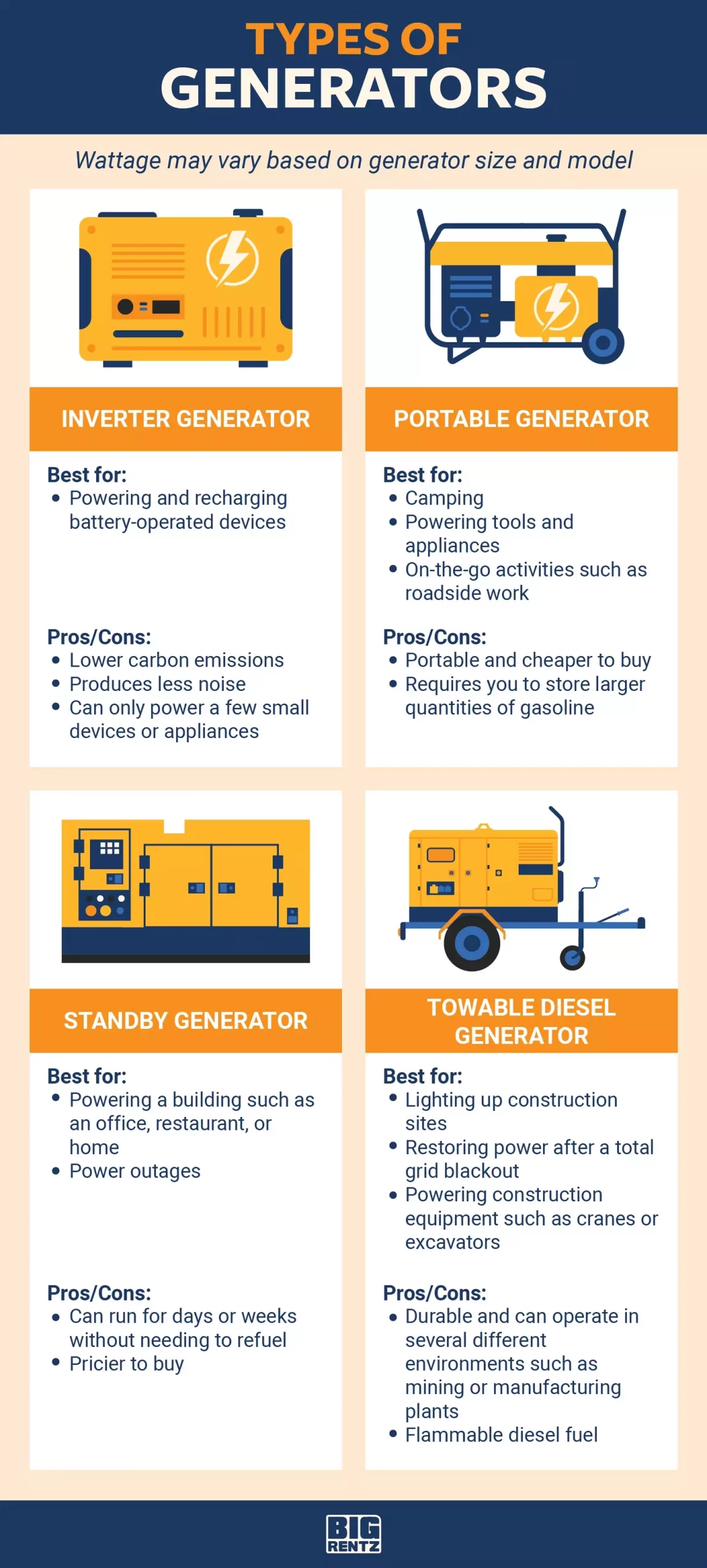
Portable generators are small and easy to move. They work well for short power outages and outdoor use. You can plug your freezer directly into a portable generator. They usually run on gasoline and need manual setup.
Standby generators are larger and fixed outside your home. They start automatically during a power outage. Standby models connect to your home’s electrical system. They run on natural gas or propane. These generators provide steady power for long outages.
Inverter Generators Benefits
Inverter generators produce clean and stable power. They are quieter than regular generators. This makes them good for home use near your freezer. Inverter generators adjust their engine speed to save fuel. They are usually more compact and lighter.
These generators protect sensitive appliances like freezers from power spikes. Their fuel efficiency helps reduce running costs. Inverter generators combine portability with advanced technology for better performance.
Safety Tips For Generator Use
Using a generator to power your freezer needs care and attention. Safety is very important. Generators can be dangerous if not used correctly. Following simple safety tips protects your home and family. Always keep safety in mind when running a generator.
Proper Ventilation
Generators produce carbon monoxide gas. This gas is deadly and cannot be seen or smelled. Always run your generator outside, far from windows and doors. Never use a generator inside your home or garage. Make sure fresh air flows around the generator at all times. Proper ventilation keeps carbon monoxide away from your living space.
Avoiding Overloads
Generators have a limit on power output. Too many devices can cause overload. Check your freezer’s power needs before plugging in. Do not connect more than the generator can handle. Overloading can damage the generator and your appliances. It also increases the risk of fire. Use only essential appliances to keep the load safe and steady.

Credit: www.renogy.com
Frequently Asked Questions
What Size Generator Is Needed For A Standard Freezer?
A standard freezer typically requires a generator with at least 1,000 to 1,500 watts. This wattage ensures the freezer runs efficiently without power interruptions.
How To Calculate Generator Size For Freezer And Other Appliances?
Add the starting and running watts of all appliances to use simultaneously. Choose a generator with a higher watt rating than this total for safety.
Can A Small Generator Power A Large Freezer?
Small generators may struggle to power large freezers due to high startup watts. A generator with 2,000 watts or more is usually recommended.
What Wattage Does A Chest Freezer Need On A Generator?
Chest freezers generally need between 600 and 1,200 running watts. Consider surge watts, which can be 2-3 times higher during startup.
Conclusion
Choosing the right generator size keeps your freezer running smoothly. Check your freezer’s wattage before buying a generator. Bigger generators use more fuel and cost more. Smaller ones might not handle the freezer’s startup power. A good fit saves money and prevents food spoilage.
Keep your freezer powered during outages with the right generator. Simple steps help protect your food and peace of mind. Stay prepared and choose wisely for reliable backup power.