
Is your Whirlpool freezer acting up and leaving you frustrated? You’re not alone.
When your freezer stops working properly, it can disrupt your daily routine and risk spoiling your food. But don’t worry—this Whirlpool Freezer Troubleshooting Guide is here to help you fix common problems quickly and easily. By understanding what’s wrong and how to solve it, you’ll save time, money, and stress.
Keep reading, and you’ll learn simple steps to get your freezer back on track in no time.

Credit: smartapplianceservices.com
Common Whirlpool Freezer Problems
Whirlpool freezers are reliable, but problems can happen. Knowing common issues helps you spot trouble fast. This saves time and keeps your food safe. Below are frequent problems owners face with Whirlpool freezers. Each issue has simple signs to watch for and basic fixes.
Freezer Not Cooling
The freezer stops getting cold. Food may spoil quickly. Causes include dirty coils, a broken thermostat, or a faulty compressor. Check if the door closes tightly. Clean the coils to improve airflow. Replace parts if needed.
Excessive Frost Build-up
Frost covers freezer walls or items inside. It blocks cold air circulation. Causes can be a faulty defrost timer or a door left open. Defrost the freezer manually. Check the defrost system for damage.
Unusual Noises
Loud or strange sounds come from the freezer. This can be due to a bad fan motor or compressor. Noise might also mean loose parts. Listen carefully to locate the noise. Tighten loose parts or replace broken ones.
Water Leakage
Water pools inside or outside the freezer. This often happens if the drain is clogged or the door seal is bad. Clean the drain hole gently. Inspect and fix the door seal to stop leaks.
Door Seal Issues
The freezer door does not close properly. Cold air escapes, wasting energy and causing frost. The seal may be dirty, torn, or worn out. Clean the seal with warm water. Replace it if damaged.

Credit: www.youtube.com
Diagnosing Cooling Problems
Cooling issues in your Whirlpool freezer can cause food to spoil. Finding the exact problem helps fix it fast. This guide shows simple steps to check key parts that affect cooling. Follow the instructions carefully for better results.
Checking The Thermostat
The thermostat controls the freezer’s temperature. Start by turning it to a colder setting. Listen for a click sound. No click might mean the thermostat is broken. Use a multimeter to test for continuity. A faulty thermostat stops the freezer from cooling properly.
Inspecting The Condenser Coils
Condenser coils remove heat from the freezer. Dirty coils block airflow and reduce cooling. Locate the coils at the back or bottom of the freezer. Clean them gently with a brush or vacuum. Regular cleaning keeps your freezer running well.
Evaluating The Evaporator Fan
The evaporator fan moves cold air inside the freezer. Open the freezer and listen for the fan noise. No sound or unusual noises can mean the fan is faulty. Check if the fan blades spin freely. Replace the fan if it doesn’t work correctly.
Testing The Compressor
The compressor pumps refrigerant to cool the freezer. It should run quietly and steadily. A loud or clicking sound means trouble. Use a multimeter to test the compressor’s electrical parts. A bad compressor often needs professional repair or replacement.
Fixing Frost And Ice Issues
Frost and ice build-up in your Whirlpool freezer can cause many problems. It blocks air circulation and lowers cooling efficiency. This section explains simple ways to fix frost and ice issues quickly. Follow these steps to keep your freezer running smoothly.
Defrosting The Freezer
Start by unplugging the freezer to prevent electric shock. Remove all food items and place them in a cooler. Leave the freezer door open to let the ice melt naturally. Use towels to soak up the water. Avoid using sharp tools to remove ice. This can damage the freezer walls.
Clearing The Drain Hole
Check the drain hole at the bottom of the freezer. This hole can get blocked by ice or food particles. Use a small brush or pipe cleaner to clear the blockage. Pour warm water down the drain to remove any leftover debris. A clear drain hole helps stop frost build-up.
Replacing The Defrost Timer
The defrost timer controls when the freezer melts frost. A broken timer can cause frost to build up. Locate the timer behind the control panel. Turn off the power before starting. Remove the old timer and install a new one. Test the freezer to ensure it defrosts properly again.
Resolving Noise Concerns
Whirlpool freezer noise can be annoying and may signal a problem. Identifying the cause helps fix it fast. This guide focuses on common noise sources and easy fixes. Quiet operation means better freezer performance and less stress.
Identifying Fan Problems
Fans inside the freezer move cold air around. Dust or ice buildup can make them noisy. Check the fan blade for dirt or damage. Clean gently with a soft cloth or brush. If the fan wobbles or hits other parts, it may need replacing.
Checking The Compressor
The compressor is the freezer’s engine. It can create humming or clicking sounds. Some noise is normal during operation. Loud or irregular noise may mean the compressor is failing. Look for vibration or overheating signs. Contact a technician if you suspect compressor problems.
Securing Loose Components
Loose parts can rattle or buzz inside the freezer. Check the shelves, panels, and back cover. Tighten any screws or clips that have come loose. Gently push parts back into place if shifted. Secure parts reduce noise and improve freezer stability.
Handling Water Leaks
Water leaks from a Whirlpool freezer can cause damage and waste energy. Handling these leaks quickly helps keep your freezer working well. This guide focuses on easy steps to find and fix common water leak sources. Follow these checks to stop leaks and protect your kitchen floor.
Examining Door Seal Integrity
Check the rubber seal around the freezer door. Look for cracks, tears, or dirt on the seal. A damaged seal lets warm air inside, causing condensation and leaks. Clean the seal gently with warm water and mild soap. If the seal is broken, replace it to keep the door tight and dry.
Inspecting The Drain Pan
The drain pan collects water that melts during defrost cycles. Pull out the pan carefully and check for cracks or overflow. Clean the pan to remove dirt or mold that blocks water flow. Replace the pan if it is damaged to prevent water from spilling onto the floor.
Clearing The Drain Tube
The drain tube carries melted water to the drain pan. Sometimes, ice or debris blocks the tube, causing leaks inside the freezer. Use warm water or a small brush to clear the tube gently. Make sure water flows freely through the tube to stop leaks and keep the freezer dry.
Maintaining Your Whirlpool Freezer
Maintaining your Whirlpool freezer is key to keeping it running smoothly. Regular care helps prevent common problems. It also saves energy and extends the freezer’s life. This guide shares simple steps to keep your freezer in top shape.
Regular Cleaning Tips
Clean the inside of your freezer every few months. Remove all food and unplug the unit first. Use a mix of warm water and mild soap. Wipe down shelves, walls, and door seals. Dry everything well before plugging it back in. Avoid harsh chemicals that can damage surfaces.
Proper Loading Techniques
Do not overfill your freezer. Leave space between items for air to flow. Pack food in small, flat containers for faster freezing. Place frequently used items near the front. Avoid blocking vents inside the freezer. Proper loading keeps the temperature steady.
Routine Inspection Schedule
Check your freezer regularly for frost build-up. Inspect door seals for cracks or gaps. Look for unusual noises or leaks. Test the temperature with a freezer thermometer. Schedule these checks at least once a month. Early spotting of issues prevents costly repairs.
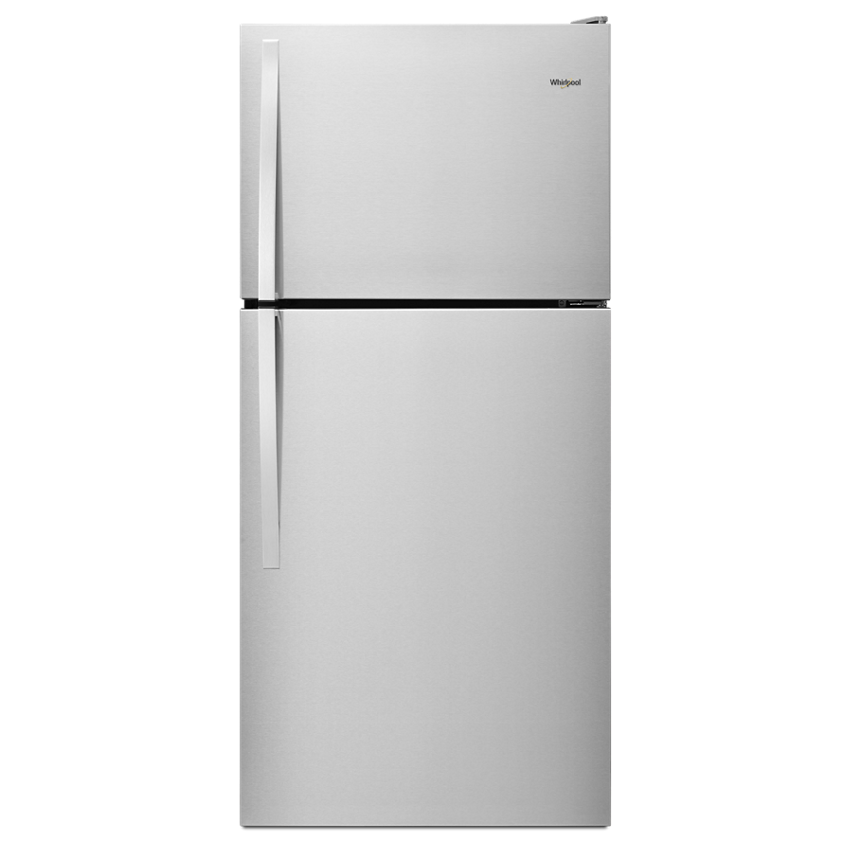
Credit: www.whirlpool.com
Conclusion
Troubleshooting your Whirlpool freezer can save time and money. Start with simple checks like power and temperature settings. Clean the coils and door seals regularly. Listen for unusual sounds and watch for frost buildup. Small fixes often solve common problems quickly.
Keep your freezer running smoothly with regular care. Remember, staying calm helps you find solutions faster. Your freezer will work better with these easy steps. Keep this guide handy for future reference.