
Is your freezer leaking water inside? That small drip can quickly turn into a big problem if you don’t act fast.
You might wonder why this is happening and what it means for your food and appliances. Don’t worry—you’re not alone, and the solution is often simpler than you think. Keep reading to discover the common reasons behind the leak and easy steps you can take to fix it before it causes more damage.
Your freezer—and your peace of mind—will thank you.
Causes Of Water Leakage
Water leaking inside a freezer is a common problem. It can cause damage and waste energy. Understanding the causes helps fix the issue fast. Several reasons can lead to water pooling inside your freezer.
Some causes are easy to spot. Others need a closer look. Knowing these helps keep your freezer working well and dry.
Clogged Defrost Drain
The defrost drain removes water when the freezer defrosts. Dirt or food can block this drain. Water then pools inside instead of draining out. Cleaning the drain regularly stops leaks.
Damaged Door Seal
The door seal keeps cold air inside the freezer. A broken or loose seal lets warm air in. This causes frost to melt and water to leak. Check seals for cracks or gaps often.
Frost Buildup Issues
Excess frost can block water flow inside the freezer. Frost builds up from frequent door opening or high humidity. It melts and causes water to leak inside. Defrosting the freezer removes the frost.
Improper Leveling
If the freezer is not level, water may not flow correctly. Water can pool inside instead of draining out. Use a level tool to check your freezer’s position. Adjust the feet to fix the problem.

Credit: diy.stackexchange.com
Identifying The Leak Source
Water leaking inside a freezer can cause damage and waste energy. Finding the source of the leak is the first step to fix it. Simple checks can help you identify common problems. Each check targets a specific part that may cause water to pool inside.
Checking Drain Blockage
The freezer drain removes melted ice and water. If blocked, water builds up inside. Look for debris or ice clogging the drain hole. Use warm water or a pipe cleaner to clear blockages. Keep the drain clean for proper water flow.
Inspecting Door Gasket
The door gasket seals cold air inside the freezer. A damaged or dirty gasket lets warm air in. Warm air causes frost to melt and leak inside. Check the gasket for cracks or dirt. Clean or replace the gasket to keep the seal tight.
Examining Ice Accumulation
Excess ice inside can melt and cause leaks. Ice may form on walls or shelves. This means the freezer is too warm or door is not closing well. Remove the ice build-up carefully. Adjust temperature or fix door issues to stop ice growth.
Testing Freezer Alignment
A misaligned freezer door can let cold air escape. This causes frost and water leaks inside. Check if the freezer sits level and the door closes evenly. Adjust the feet or hinges to align the door properly. A good seal keeps water out.
Quick Fixes For Drain Problems
Water leaking inside the freezer often points to drain problems. Fixing the drain quickly stops the leak and protects food. The good news: most drain issues have simple fixes. These easy steps clear the drain and keep your freezer dry.
Unclogging The Defrost Drain
Locate the defrost drain at the freezer’s back or bottom. Remove any visible ice or debris blocking it. Use a soft cloth to wipe around the drain opening. This clears the path for water to flow freely.
Flushing With Warm Water
Pour warm water slowly into the drain hole. This melts any ice inside the drain pipe. Repeat the process until water flows down smoothly. Warm water flushes out small clogs and dirt.
Using A Pipe Cleaner Or Wire
Gently insert a pipe cleaner or thin wire into the drain. Move it back and forth to break up stubborn clogs. Avoid pushing too hard to prevent damage. This tool helps clear blockages deep in the drain.
Repairing Door Seal Issues
Water leaking inside the freezer often points to door seal problems. The door seal keeps cold air in and moisture out. Fixing seal issues stops water leaks and saves energy. Simple steps can restore your freezer’s seal and prevent damage.
Cleaning The Gasket
Dirt and grime on the gasket stop it from sealing properly. Use warm water and mild soap to clean the gasket. Wipe gently with a soft cloth. Dry the gasket fully before closing the door. Clean gaskets form a tight seal and keep moisture out.
Replacing Damaged Seals
Check the gasket for cracks, tears, or hard spots. Damaged seals let warm air in, causing water leaks. Purchase a replacement seal that fits your freezer model. Remove the old gasket by pulling it from the door. Press the new gasket firmly into place. A fresh seal stops leaks and keeps the freezer cold.
Ensuring Proper Door Closure
Close the freezer door firmly every time. Make sure nothing blocks the door from closing fully. Items inside the freezer can push the door open slightly. Adjust the shelves or contents to allow full closure. A well-closed door keeps cold air inside and prevents water buildup.
Managing Frost Buildup
Frost buildup inside a freezer causes water leaks and reduces cooling. Managing this frost helps keep the freezer dry and working well. Simple steps can stop frost from growing and causing problems.
Defrosting The Freezer
Turn off the freezer and remove all food. Leave the door open to let ice melt naturally. Use towels to catch water as the ice melts. Avoid sharp tools that can damage the freezer walls. Clean the inside with a soft cloth after defrosting. This removes leftover water and stops more frost.
Adjusting Temperature Settings
Set the freezer temperature between 0 and 5 degrees Fahrenheit. Too cold settings cause more frost to form quickly. Too warm settings can spoil food and create water. Check the dial or digital controls for correct temperature. Adjust slowly and watch for frost changes. Proper temperature limits frost and water leaks.
Maintaining Proper Airflow
Keep the freezer full but not overcrowded. Blocked vents stop cold air from moving inside. Cold air must flow freely to stop frost buildup. Organize items to avoid blocking vents and fans. Clean vents regularly to remove dust and debris. Good airflow helps frost stay low and water stays out.

Credit: www.reddit.com
Leveling And Positioning Tips
Water leaks inside a freezer often happen because the unit is not level or not positioned correctly. Proper leveling and positioning help stop water from pooling inside. It also ensures the freezer works well and lasts longer.
Using A Level Tool
A level tool helps check if the freezer sits flat. Place the level on top of the freezer door or edge. Look at the bubble to see if it is centered. If not, the freezer needs adjustment. This simple tool makes sure the freezer is balanced.
Adjusting Freezer Feet
Most freezers have adjustable feet at the bottom. Turn the feet to raise or lower each corner. Adjust until the freezer is steady and the level tool shows balance. Proper foot adjustment stops water from leaking inside. It also prevents noise and door problems.
Avoiding Excess Tilt
A slight tilt backward helps the door close tightly. Too much tilt causes water leaks inside. Check that the freezer leans back only a little. Keep the front feet slightly higher than the back. This angle helps water drain properly and stops leaks.
Preventive Measures
Preventing water leaks inside the freezer helps keep food fresh and appliances safe. Taking simple steps can stop leaks before they start. These preventive measures save time and money on repairs. Follow easy habits to keep your freezer working well.
Regular Maintenance Routine
Clean the freezer regularly to avoid ice buildup. Remove frost that blocks drainage holes. Check door seals for cracks or dirt. Replace worn-out seals to keep cold air in. Clear debris from the drip pan below the freezer. These tasks prevent water from pooling inside.
Monitoring Freezer Temperature
Keep the freezer temperature between 0°F and 5°F (-18°C to -15°C). Use a thermometer to check it often. Too cold causes excess ice and leaks. Too warm makes food spoil and water collect. Adjust settings as needed to maintain the right cold level.
Promptly Addressing Issues
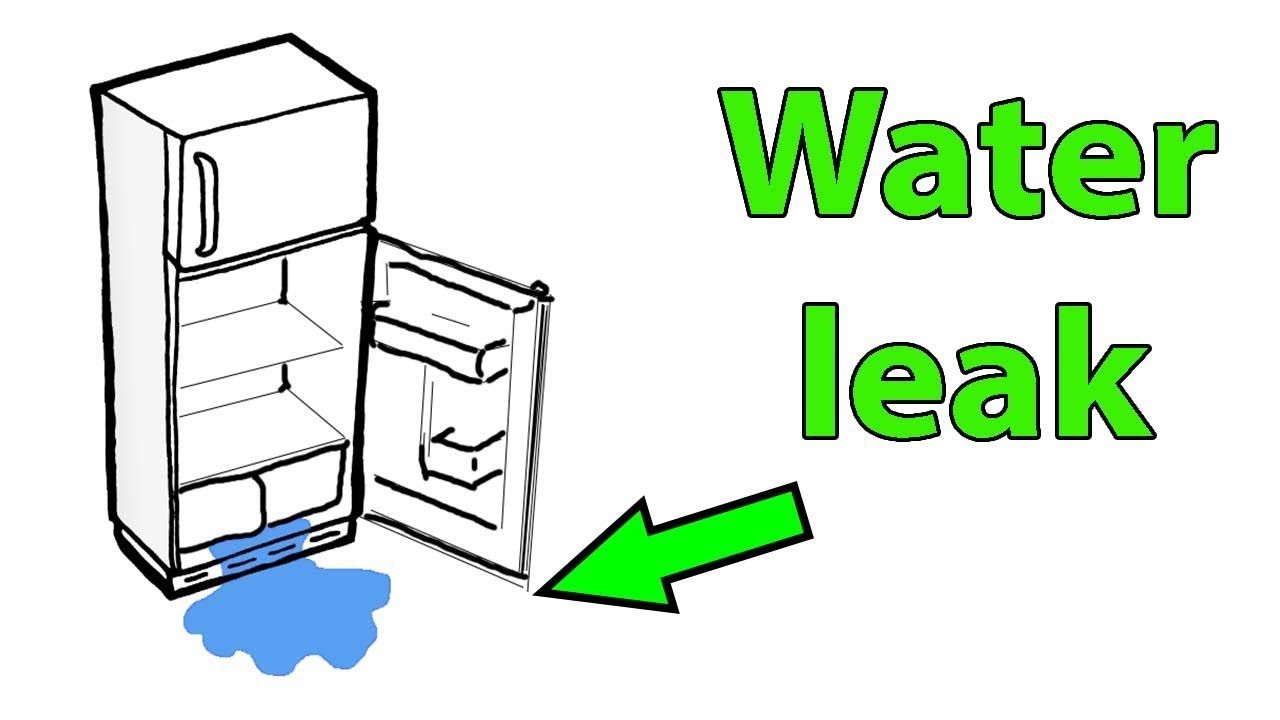
Notice water inside? Act fast. Check for blocked drain holes or damaged seals. Fix small problems before they grow. Defrost the freezer if ice is thick. Call a technician for serious leaks or mechanical faults. Quick action stops leaks from damaging your freezer.
Credit: www.youtube.com
Frequently Asked Questions
Why Is My Freezer Leaking Water Inside?
Water leakage inside a freezer often happens due to a clogged defrost drain. It blocks melted water from draining properly. Clean the drain to fix leaks. Also, check door seals and ice buildup to prevent water pooling.
How Can I Stop Water Pooling In My Freezer?
To stop water pooling, regularly clean the defrost drain and check the door seals. Avoid overfilling the freezer to ensure proper airflow. Defrost your freezer if ice builds up excessively, as it can cause water leaks inside.
What Causes Freezer Defrost Drain To Clog?
Food particles, ice, and debris often clog the freezer defrost drain. This blockage prevents melted water from draining out. Regular cleaning and defrosting help keep the drain clear and stop water leaks inside the freezer.
Can A Faulty Door Seal Cause Water Leaks?
Yes, a faulty or damaged door seal can let warm air in. This causes condensation and water inside the freezer. Inspect and replace worn seals to maintain a tight, leak-free freezer environment.
Conclusion
A leaking freezer can cause many problems at home. It wastes water and can spoil food. Check the drain hole and door seal often. Clean any ice buildup to stop leaks. Small fixes save money and time. Keep your freezer dry and running well.
Regular care helps avoid bigger issues later. A little attention goes a long way. Act quickly to keep your freezer working right.