
Is your freezer temperature keeps going up and down, leaving you worried about your food? You’re not alone.
When your freezer can’t maintain a steady cold temperature, it can cause spoiled food, higher energy bills, and lots of frustration. But why does this happen, and more importantly, how can you fix it? Keep reading, because understanding the real reasons behind these temperature swings could save you time, money, and stress.
Let’s dive into what’s causing your freezer’s ups and downs—and how you can bring stability back to your kitchen.
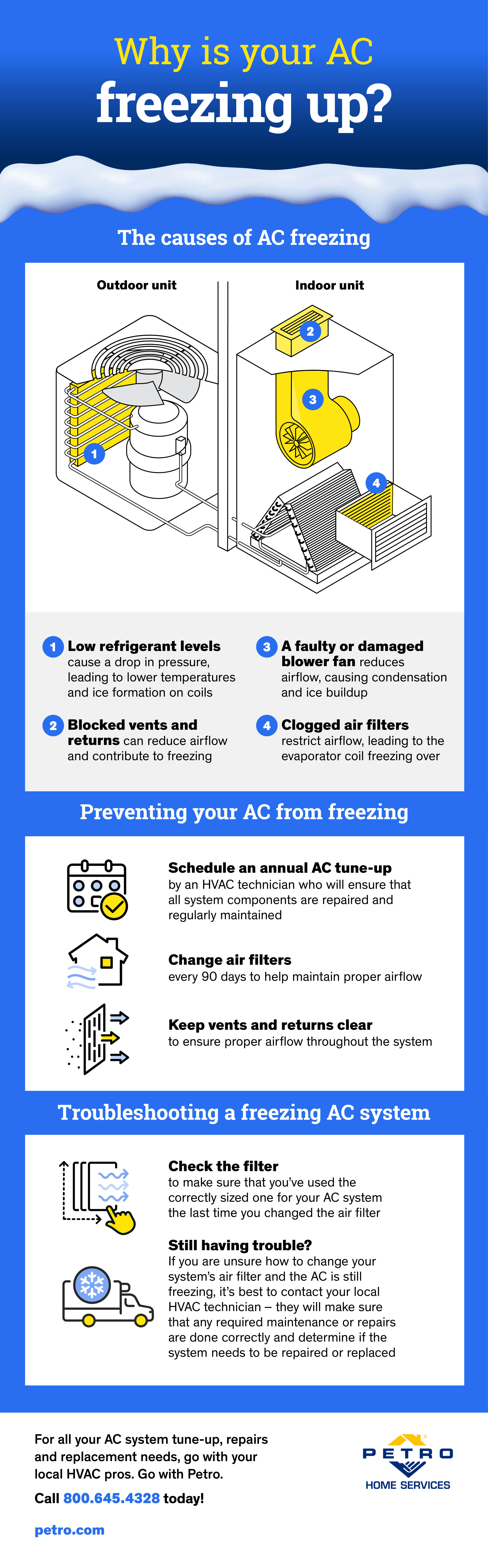
Credit: www.petro.com
Common Causes
Freezer temperature that goes up and down can cause food spoilage and waste. Understanding the common causes helps fix the problem fast. Many factors affect freezer temperature, and some are easy to check at home.
Faulty Door Seal
A damaged or worn door seal lets cold air escape. Warm air enters, causing the freezer to work harder. This results in temperature changes and ice buildup. Check the seal for cracks or gaps. Replace it if needed to keep the cold air inside.
Frequent Door Opening
Opening the freezer door often lets warm air in. The freezer tries to cool down again, causing temperature swings. Keep door openings short and infrequent. Avoid leaving the door open for a long time to maintain steady cooling.
Thermostat Issues
The thermostat controls the freezer’s temperature. If it malfunctions, the freezer may not cool properly. This causes the temperature to rise and fall. Test the thermostat or have a technician check it. Replacing a bad thermostat can solve the problem.
Frost Buildup
Frost can block air vents inside the freezer. This stops cold air from circulating evenly. Uneven cooling causes temperature changes. Defrost the freezer regularly to prevent frost buildup. Keep vents clear to maintain a steady temperature.
Credit: simplyswider.com
Impact On Food Safety
Fluctuating freezer temperatures can harm your food’s safety. Constant changes make it hard to keep food properly frozen. This creates risks that affect both health and quality. Understanding these risks helps you protect your food better.
Risk Of Spoilage
When freezer temperature rises, ice melts slightly on food. This melts then refreezes as the temperature drops again. Each cycle weakens the food’s structure and safety. Bacteria can grow faster in warmer spots. Spoiled food might not smell or look bad at first.
Texture And Flavor Changes
Freezer temperature swings damage food texture. Ice crystals form and break down food cells repeatedly. This causes food to become mushy or dry after thawing. Flavors can weaken or change oddly. Your meals may lose their fresh taste and feel.
Troubleshooting Steps
Freezer temperature that keeps rising and falling can spoil food. Troubleshooting helps find the cause fast. Follow these simple steps to fix the problem.
Check the freezer carefully. Small issues can cause big temperature changes. Act quickly to keep your freezer working well.
Check Door Seal Integrity
Look at the rubber seal around the door. If it is cracked or loose, cold air escapes. Clean the seal and press it firmly closed. Replace the seal if it is damaged.
Monitor Door Usage
Opening the door often lets warm air inside. Track how many times the door opens daily. Try to open the door less to keep the temperature steady.
Test Thermostat Function
Set the thermostat to a colder temperature. Wait a few hours and check if the freezer cools properly. Replace the thermostat if the temperature still changes a lot.
Defrost The Freezer
Ice buildup blocks cold air flow. Turn off the freezer and let ice melt. Clean water and dry the inside. Turn it back on after defrosting.
Maintenance Tips
Keeping your freezer’s temperature steady requires regular care. Small actions can prevent big problems. Follow these maintenance tips to help your freezer work well.
Regular Cleaning
Clean your freezer often. Remove frost buildup and spills. Dust the coils at the back or bottom. Clean parts help the freezer cool better. This keeps the temperature stable and saves energy.
Proper Loading
Do not overload the freezer. Leave space for air to move around. Avoid placing hot food inside. Cold air needs to flow freely. This stops the temperature from rising and falling.
Temperature Monitoring
Check the temperature regularly with a thermometer. Set the freezer at the right level, usually around 0°F (-18°C). Watch for sudden changes in temperature. Early checks catch problems before they get worse.
When To Call A Technician
Freezer temperature that keeps going up and down can harm your food. Small changes might be normal, but big or constant swings need attention. Calling a technician can save your freezer from serious damage.
Persistent Temperature Fluctuations
Temperature changes that never stop can point to a bigger problem. The thermostat or sensor might be broken. A technician can check and fix these parts. This stops food spoilage and saves energy.
Unusual Noises
Strange sounds from your freezer are a warning sign. Buzzing, clicking, or grinding noises are not normal. These sounds often mean the motor or fan is failing. A technician knows how to find and repair the source.
Ice Maker Malfunctions
If your ice maker stops working or makes too much ice, it needs a check. Problems with the water line or motor are common. A technician can fix these issues fast. This keeps ice production steady and your freezer healthy.
Credit: simplyswider.com
Frequently Asked Questions
Why Does My Freezer Temperature Fluctuate Constantly?
Freezer temperature fluctuates due to frequent door openings, faulty thermostat, or compressor issues. These cause inconsistent cooling cycles. Proper sealing and maintenance help stabilize the temperature and keep food safe.
How To Fix Freezer Temperature Going Up And Down?
Check the door seal, clean condenser coils, and inspect the thermostat. Avoid frequent door openings and overload. If issues persist, call a technician to repair or replace faulty parts.
Can A Faulty Thermostat Cause Freezer Temperature Issues?
Yes, a faulty thermostat can cause temperature fluctuations. It misreads the temperature and signals the compressor incorrectly. Replacing the thermostat usually resolves this problem and restores stable cooling.
Does Frequent Door Opening Affect Freezer Temperature?
Yes, opening the freezer door often lets warm air in. This causes temperature spikes and forces the freezer to work harder. Limit door openings to maintain a consistent temperature.
Conclusion
Freezer temperature changes can cause food spoilage and waste. Check door seals and clean coils regularly. Avoid overloading the freezer to keep air flowing. Set the thermostat to the recommended level. Watch for signs of frost buildup or strange noises.
Small fixes often solve temperature swings quickly. Stay alert to protect your food and save money. Regular care helps your freezer run smoothly and safely. Keep these tips in mind for steady freezer performance.