
Are you sure your freezer is set to the right temperature? Keeping your freezer at the correct level is more important than you might think.
It affects the safety, taste, and quality of your food. If the temperature is too high, your food can spoil faster. If it’s too low, you could be wasting energy and money. You’ll discover the ideal freezer temperature and simple tips to keep your food fresh and your bills low.
Keep reading to protect your groceries and get the most out of your freezer.

Credit: www.qualitylogoproducts.com
Ideal Freezer Temperature
Setting the right freezer temperature is key to keeping food fresh and safe. The ideal freezer temperature helps maintain food quality and prevents spoilage. It also saves energy and reduces waste. Understanding the best temperature range is simple but important for every household.
Recommended Temperature Range
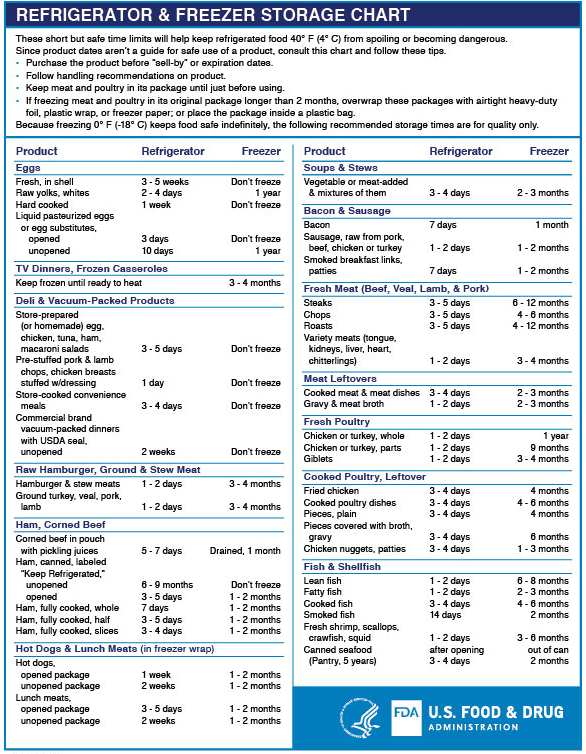
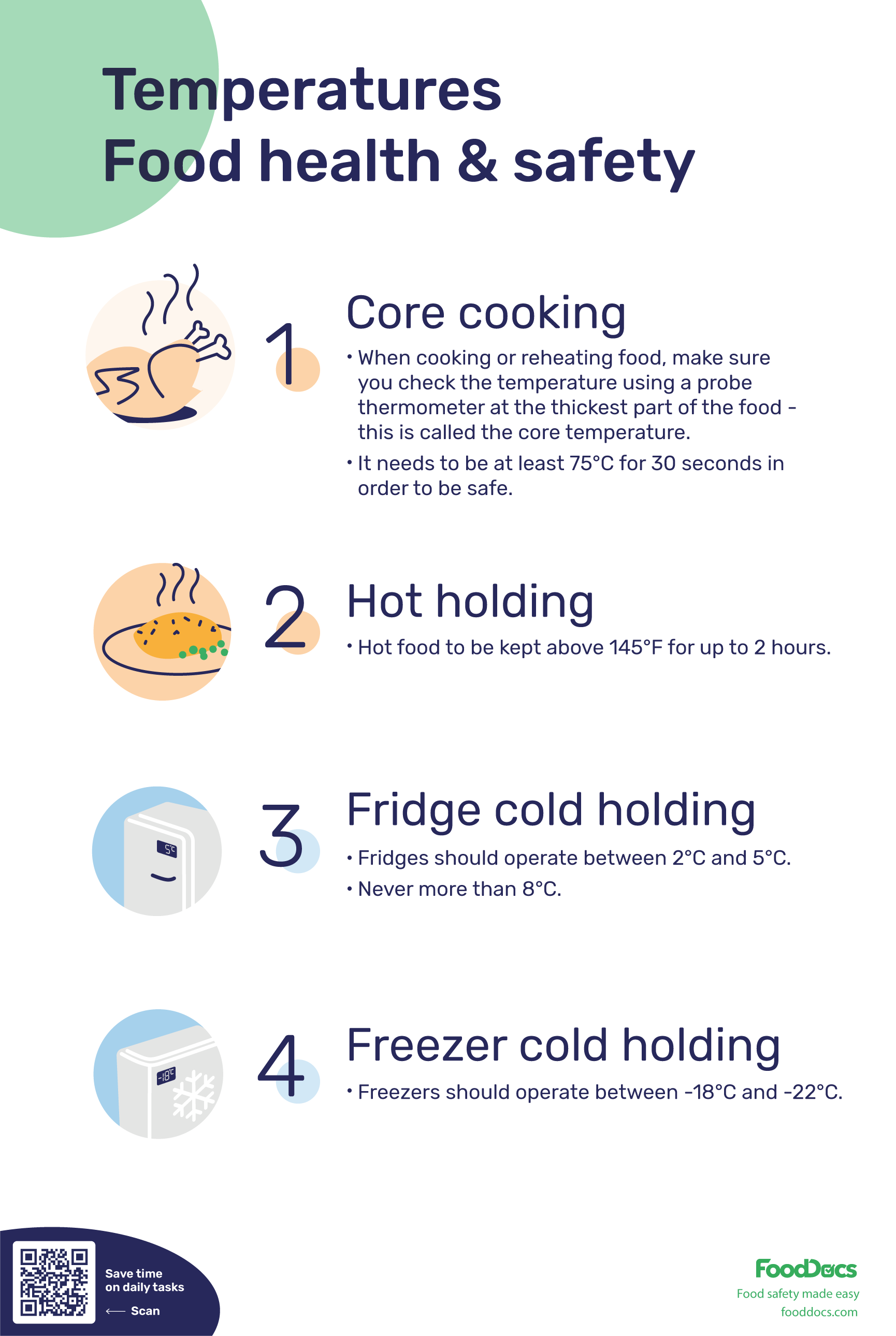
The ideal freezer temperature should be at or below 0°F (-18°C). This range keeps food frozen solid and prevents bacteria growth. Temperatures higher than 0°F can cause food to thaw and lose quality. Most freezers have a built-in thermostat to help maintain this level. Checking the temperature regularly ensures food stays safe to eat.
Why Temperature Matters
Freezing food slows down bacteria and enzyme activity. At temperatures below 0°F, harmful bacteria stop growing. This keeps food safe for longer periods. If the freezer is too warm, food can spoil faster. Also, ice crystals form properly only at the right temperature. This preserves texture, taste, and nutrients. Keeping the freezer cold saves money by reducing food waste.
Health Risks Of Improper Freezing
Freezing food at the right temperature protects your health. Improper freezing can cause serious health risks. Keeping the freezer cold enough stops harmful bacteria from growing. It also prevents food from spoiling too fast. Understanding these risks helps keep your food safe and fresh.
Bacterial Growth Concerns
Bacteria grow quickly if the freezer is too warm. Some bacteria can cause food poisoning. Freezing slows bacteria but does not kill them all. When the temperature rises above the safe level, bacteria multiply again. Eating food with bacteria can cause stomach pain and sickness. Proper freezer temperature keeps bacteria under control.
Food Spoilage Indicators
Improper freezing causes food to lose taste and texture. Ice crystals can form, damaging food quality. Food may look discolored or have a strange smell. These signs show spoilage even if the food seems frozen. Spoiled food can make you sick. Correct freezer temperature helps keep food fresh longer.
Setting Your Freezer Correctly
Setting the freezer temperature right keeps your food safe and fresh. It stops food from spoiling and saves energy. Most freezers work best at or below 0°F (-18°C). This temperature slows down bacteria growth and keeps food quality high.
Knowing how to set your freezer helps avoid common problems. Too warm, and food can thaw. Too cold, and energy use goes up. Use these tips to get the temperature just right.
Using Built-in Thermostats
Most freezers have a built-in thermostat to control temperature. Check the dial or digital panel inside. It usually shows numbers from 1 to 7 or temperatures in degrees.
Set the thermostat to the recommended level, often marked as “freezer” or “cold.” Avoid turning it too low or too high. Small changes make a big difference in temperature.
After setting, wait at least 24 hours to let the temperature stabilize. Use a thermometer to check if the freezer reaches the right coldness.
External Thermometer Tips
Built-in thermostats are helpful but not always precise. An external thermometer gives a clear reading inside your freezer.
Place the thermometer in the middle of the freezer, away from walls and door. Check it after a few hours for the actual temperature.
If the reading is above 0°F (-18°C), adjust the thermostat and check again. Repeat until the temperature stays steady at or below 0°F.
Regularly monitor the temperature to keep food safe and avoid freezer burn.
Credit: www.tcl.com
Maintaining Consistent Temperature
Maintaining a consistent freezer temperature is key to keeping food fresh and safe. When the temperature stays steady, frozen food lasts longer and tastes better. Sudden changes can cause frost buildup or spoilage. It also helps save energy and reduce electricity bills.
Small habits can make a big difference in temperature control. Managing how often and how long the freezer door opens is one important step. Organizing food properly also helps air circulate inside. These actions keep the freezer working well and your food in good shape.
Avoiding Frequent Door Opening
Opening the freezer door too often lets warm air inside. This raises the temperature and causes frost to form. Each time the door opens, the freezer works harder to cool down again. Try to plan ahead and grab what you need quickly.
Close the door firmly after use. Avoid leaving it open while deciding what to take out. Teach family members to do the same. A steady temperature depends on keeping the cold air inside.
Proper Food Storage Techniques
Store food in sealed containers or freezer bags. This prevents moisture from escaping and reduces frost buildup. Avoid overpacking the freezer. Allow space for air to circulate around items.
Label and date food to use older items first. Place frequently used items near the front. Organize by type to minimize door opening time. Good storage keeps the freezer temperature steady and food safe.
Troubleshooting Temperature Issues
Freezer temperature problems can spoil your food fast. Keeping the freezer at the right temperature is key. When the freezer is too warm or too cold, food quality drops. Troubleshooting these issues helps keep your freezer working well.
Common Freezer Problems
Freezers may not cool properly due to several reasons. Frost buildup blocks air flow and stops cooling. Dirty coils reduce the freezer’s efficiency. A faulty door seal lets cold air escape. Power outages or frequent door openings affect temperature. Check these problems first before calling for help.
When To Call A Technician
Call a professional if your freezer stays too warm. Strange noises or leaks signal serious issues. If the freezer runs nonstop or fails to cool, get help. A technician can fix electrical or mechanical problems safely. Avoid risking food loss by waiting too long to call.
Credit: www.fooddocs.com
Energy Efficiency And Freezing
Freezers keep food fresh by freezing it at very low temperatures. The temperature setting affects both how well food stays frozen and how much energy the freezer uses. Setting the right temperature helps save energy and keeps food safe. It also lowers electricity bills and reduces environmental impact.
Balancing Temperature And Energy Use
Freezers work best at around 0°F (-18°C). This temperature keeps food frozen and safe. Colder settings use more energy without much benefit. Warmer settings may not keep food fully frozen. The goal is to find a balance. Use a thermometer to check your freezer’s temperature. Adjust it if it is too cold or warm. Proper balance saves energy and keeps food fresh longer.
Tips To Save Electricity
Keep the freezer door closed as much as possible. Open the door only when needed. Avoid putting hot or warm food inside. Let it cool first. Organize items to find things quickly. Clean freezer coils regularly for better efficiency. Make sure the door seals are tight and not damaged. Defrost the freezer if ice builds up. Small actions help reduce electricity use and save money.
Frequently Asked Questions
What Temperature Should A Freezer Be Set At?
A freezer should be set at 0°F (-18°C) or lower. This ensures food stays safely frozen and retains quality. Temperatures above 0°F can cause spoilage and reduce shelf life.
Why Keep Freezer Temperature At Least 0°f?
Keeping the freezer at 0°F prevents bacterial growth and food spoilage. It also maintains the texture and flavor of frozen items. This temperature is recommended by food safety authorities worldwide.
How Often Should I Check Freezer Temperature?
Check your freezer temperature at least once a week. Use a reliable freezer thermometer for accuracy. Regular checks help maintain optimal freezing conditions and prevent food waste.
Can Freezer Temperatures Vary Inside The Unit?
Yes, temperatures can vary inside a freezer. Cold air circulates unevenly, causing warmer spots near the door. Place sensitive items away from these areas for best preservation.
Conclusion
Keeping your freezer temperature at or below 0°F (-18°C) preserves food best. Cold enough to stop bacteria growth and keep food fresh longer. Check the temperature regularly with a freezer thermometer. Avoid frequent opening to maintain steady cold. Proper freezer care saves money and reduces food waste.
Small steps make a big difference in food safety. Stay mindful and keep your freezer at the right temperature. Your food will thank you.