
Your freezer is one of the hardest-working appliances in your home, keeping your food fresh and safe. But what happens when the power goes out?
Suddenly, you’re left with a freezer full of thawing food and the risk of unpleasant odors and bacteria buildup. Knowing how to clean your freezer quickly and effectively after a power outage can save you time, money, and stress. You’ll discover simple steps to restore your freezer to a clean, safe condition—so you can protect your food and your family with confidence.
Keep reading to learn exactly what to do before things get messy.

Credit: www.reddit.com
Assessing The Freezer Condition
After a power outage, the first step is to assess the freezer’s condition. This helps you decide what to keep and what to throw away. Careful inspection can prevent foodborne illness and bad smells. Follow these simple steps to check your freezer thoroughly.
Check For Spoiled Food
Start by looking at all the food inside the freezer. Throw away anything that feels warm or soft. Frozen food should be hard and solid. If you see liquid or frost damage, it may be spoiled. Be cautious with meat, dairy, and seafood. When in doubt, toss it out.
Inspect For Ice Buildup
Look for thick ice or frost layers inside the freezer. Ice buildup can block airflow and reduce cooling. It may also cause the freezer to work harder and use more energy. Remove excess ice gently using a plastic scraper. Avoid sharp tools to protect the freezer walls.
Evaluate Odor Levels
Smell the inside of the freezer carefully. A strong or bad odor means some food has gone bad. Clean the freezer with a mild solution of baking soda and water. This removes unpleasant smells and keeps the freezer fresh. Repeat if odors persist before refilling.
Credit: nwdistrict.ifas.ufl.edu
Gathering Cleaning Supplies
Gathering the right cleaning supplies is the first step to clean your freezer after a power outage. Having everything ready saves time and makes the job easier. It also helps you clean safely and thoroughly. Prepare to clear out any spoiled food and wipe down surfaces properly.
Essential Cleaning Tools
Start with basic tools like a bucket and sponge. Use soft cloths to avoid scratching the freezer walls. A scraper or plastic spatula helps remove ice buildup. Paper towels are good for drying surfaces quickly. Gloves protect your hands from cold and cleaning agents. Make sure all tools are clean before use.
Safe Cleaning Solutions
Choose gentle cleaning solutions to keep your freezer safe. Mix warm water with baking soda for an effective cleaner. Avoid harsh chemicals that can damage the freezer or leave harmful residues. White vinegar also works well to kill bacteria and remove odors. Always rinse surfaces with clean water after cleaning.
Defrosting The Freezer
Defrosting the freezer is an important step after a power outage. Ice buildup can block the freezer from working well. Removing this ice helps your freezer cool properly and saves energy. It also prevents bad smells and keeps your food safe.
Defrosting is simple but needs some care. You can do it manually or use hot water safely. Both ways help melt the ice faster. This section explains easy methods to defrost your freezer without damage.
Manual Defrost Techniques
First, unplug the freezer to stay safe. Remove all food and store it in a cooler. Leave the freezer door open to let ice melt naturally. Place towels around to catch water from melting ice.
Use a plastic or wooden spatula to gently scrape ice. Avoid sharp tools that can damage the freezer walls. Check often to remove chunks of ice as they loosen. This process can take several hours, so be patient.
Using Hot Water Safely
Hot water speeds up ice melting. Pour hot water into a shallow pan or bowl. Place it inside the freezer and close the door. The steam will soften the ice faster.
Do not pour hot water directly on the ice. It may crack the freezer walls. Use a cloth dipped in hot water to wipe ice gently. Replace the water often to keep it hot. Always dry the freezer after defrosting to prevent new ice.

Credit: www.solarappliance.net
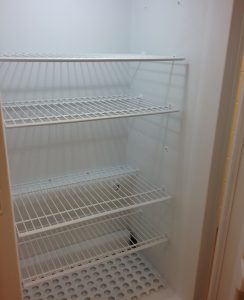
Cleaning The Interior
Cleaning the inside of your freezer after a power outage is very important. Leftover food may have melted and caused messes. Dirt, stains, and smells can build up fast. A clean freezer works better and keeps food safe. Follow these easy steps to clean the interior well.
Removing Debris And Stains
Start by taking out all loose debris. Use a soft cloth or paper towels to wipe crumbs and melted ice. Check corners and crevices for hidden dirt. For stubborn stains, mix warm water with mild soap. Dip a sponge in the solution and gently scrub the spots. Avoid harsh chemicals that can damage the freezer’s surface. Rinse the sponge often to keep it clean. Removing all debris helps prevent bad odors.
Wiping Down Surfaces
After debris removal, wipe all surfaces carefully. Use a clean cloth dipped in warm, soapy water. Clean shelves, walls, and door seals. Pay attention to rubber gaskets to avoid mold growth. Dry every part with a soft towel to stop moisture buildup. Fresh surfaces make the freezer ready for use again. This simple step protects food from contamination.
Deodorizing Tips
After a power outage, your freezer might smell unpleasant. Deodorizing helps remove bad odors and freshen the space. Using the right methods keeps your freezer clean and inviting.
Natural Deodorizers
Baking soda is a top choice for neutralizing freezer smells. Place an open box inside and leave it for a few days. It absorbs odors without adding harsh chemicals.
Activated charcoal also works well. Put some charcoal in a bowl and set it inside the freezer. It traps bad smells and keeps the air fresh.
White vinegar is another natural option. Wipe the freezer walls with a mixture of vinegar and water. This cleans and removes lingering odors effectively.
Commercial Products
Special freezer deodorizer packets are available in stores. They last longer and are designed to absorb tough freezer smells.
Odor eliminator sprays made for refrigerators and freezers can help too. Spray lightly on surfaces and allow them to dry fully.
Choose products labeled safe for food storage areas. This ensures no harmful chemicals remain in your freezer after use.
Preventing Future Issues
Power outages can damage your freezer and spoil food. Preventing future problems is important. Taking simple steps helps protect your freezer and keep food safe. Focus on keeping the right temperature and having backup power ready.
Maintaining Proper Temperature
Keep your freezer at or below 0°F (-18°C). This temperature stops bacteria from growing. Check the temperature regularly with a freezer thermometer. Avoid opening the freezer door often. Each time you open it, cold air escapes. Cold air loss makes the freezer work harder. It also raises the temperature inside.
Defrost your freezer when ice builds up. Thick ice reduces cooling power. Clean the door seals to keep cold air inside. Replace damaged seals quickly. These small actions keep your freezer running well.
Backup Power Solutions
Power outages can last hours or days. Backup power saves your frozen food. A generator is the best option. Choose one that can run your freezer safely. Place it outside to avoid fumes inside your home.
Battery-powered backup systems can also help. These systems keep your freezer cold for a few hours. Solar power with batteries is another choice. It provides clean energy during outages. Test your backup power regularly. Make sure it works when you need it most.
Conclusion
Cleaning your freezer after a power outage keeps food safe and fresh. Start by removing spoiled items quickly. Use warm water and mild soap to wipe surfaces. Dry everything well to stop mold and smells. Regular cleaning helps your freezer work better.
Taking these steps protects your health and saves money. Stay calm and follow the process step-by-step. Your freezer will be clean and ready to use again. Simple care makes a big difference.