
Is your freezer showing signs of mold? It’s not just unpleasant—it can be harmful to your health and ruin your food.
You might be wondering how to tackle this problem quickly and safely without making a bigger mess. This guide will walk you through simple, effective steps to clean mold from your freezer. By the end, you’ll know exactly what to do to keep your freezer fresh and mold-free, protecting both your food and your family.
Let’s get started!
Signs Of Mold In Freezer
Mold in a freezer can be hard to spot at first. It often grows in hidden corners or under ice. Knowing the signs helps keep your freezer clean and safe. Mold can affect food taste and cause health problems. Watch for unusual spots or smells inside the freezer. Early detection makes cleaning easier and prevents mold from spreading.
Common Mold Spots
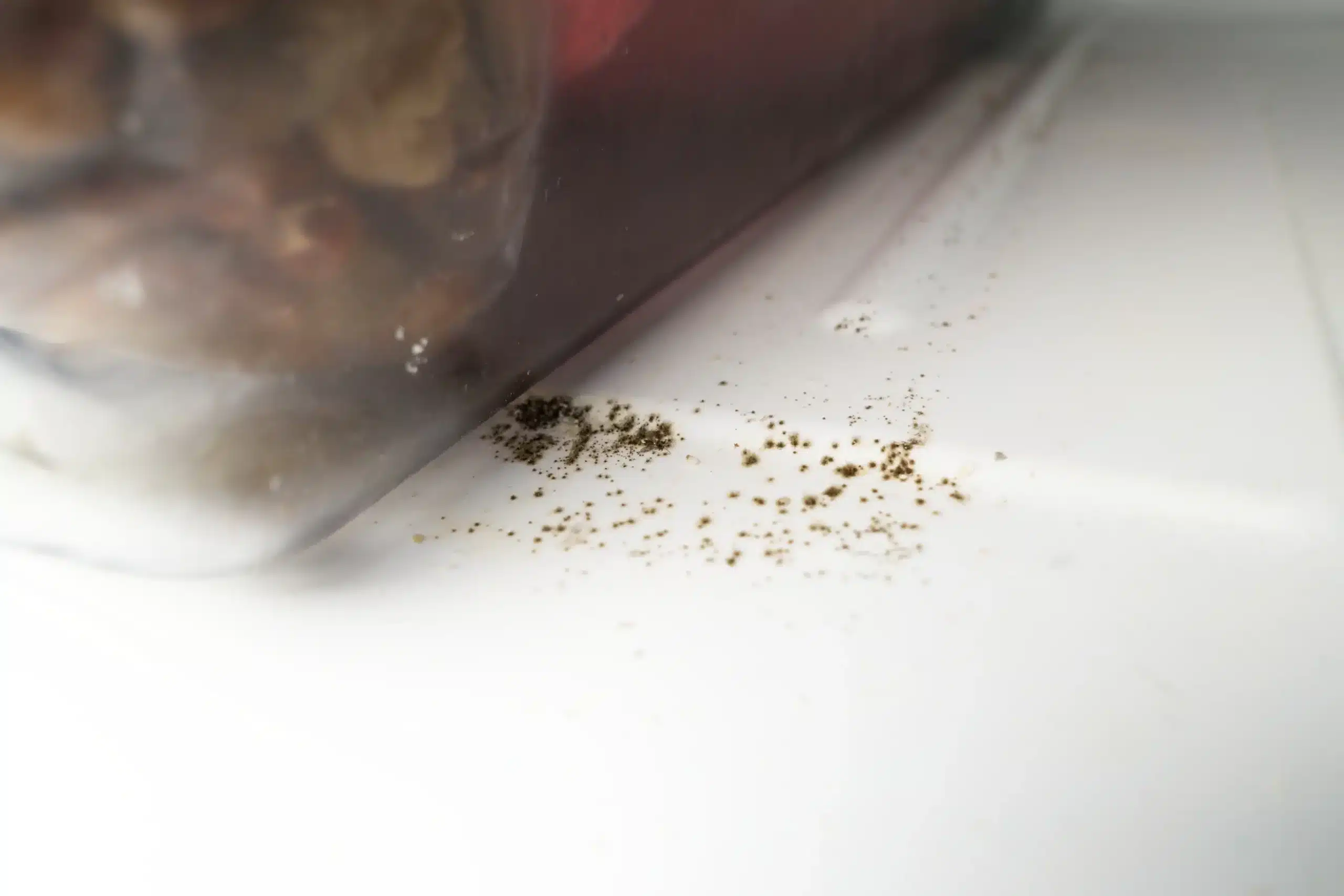
Mold often appears in freezer door seals. These rubber seals stay damp and trap dirt. Check corners and crevices where ice builds up. Mold can grow on shelves and inside drawers too. Sometimes it hides under frost or ice layers. Look for black, green, or white fuzzy patches. Small slimy spots may also mean mold growth.
Health Risks
Mold in the freezer can cause allergies. Breathing mold spores may lead to coughing or sneezing. People with asthma can have worse attacks. Mold can also cause skin irritation or rashes. Eating food stored near mold is unsafe. It might cause stomach pain or food poisoning. Cleaning mold quickly protects your health and food safety.
Credit: bentleyhomeinspection.com
Safety Measures Before Cleaning
Cleaning mold from your freezer requires careful preparation. Safety is important to protect your health and avoid accidents. Follow these steps before you start cleaning.
Protective Gear
Wear gloves to keep mold spores off your skin. Use a mask to avoid breathing in spores. Safety goggles protect your eyes from mold and cleaning products. Dress in old clothes you don’t mind getting dirty. This gear helps reduce health risks during cleaning.
Unplugging The Freezer
Always unplug the freezer before cleaning. This step prevents electric shock. It also stops the freezer from running while you clean. Unplugging helps you clean safely and thoroughly. Wait a few minutes after unplugging before starting the work.
Gathering Cleaning Supplies
Cleaning mold from your freezer starts with gathering the right supplies. Preparing everything before you begin saves time and effort. It also helps you clean thoroughly and safely. Knowing which cleaning agents and tools to use makes a big difference. Below are the essentials you need to clean mold effectively.
Effective Cleaning Agents
Choose cleaning agents that kill mold and are safe for your freezer. White vinegar is a natural and powerful option. It can remove mold without harsh chemicals. Baking soda also helps by scrubbing away mold and deodorizing. For stronger cleaning, use a mild bleach solution. Mix one tablespoon of bleach with one quart of water. Avoid strong chemicals that can damage your freezer or leave harmful smells.
Tools You Need
Gather soft cloths or sponges for wiping surfaces. Use a small brush or old toothbrush to reach corners and crevices. Gloves protect your hands from mold and cleaning agents. A spray bottle helps apply cleaning solutions evenly. Have a bucket or bowl ready for mixing solutions. Make sure the tools you use do not scratch or damage the freezer interior.
Step-by-step Cleaning Process
Cleaning mold from a freezer requires a clear, careful approach. Follow each step closely to remove mold safely and effectively. This process helps keep your freezer fresh and your food safe.
Emptying The Freezer
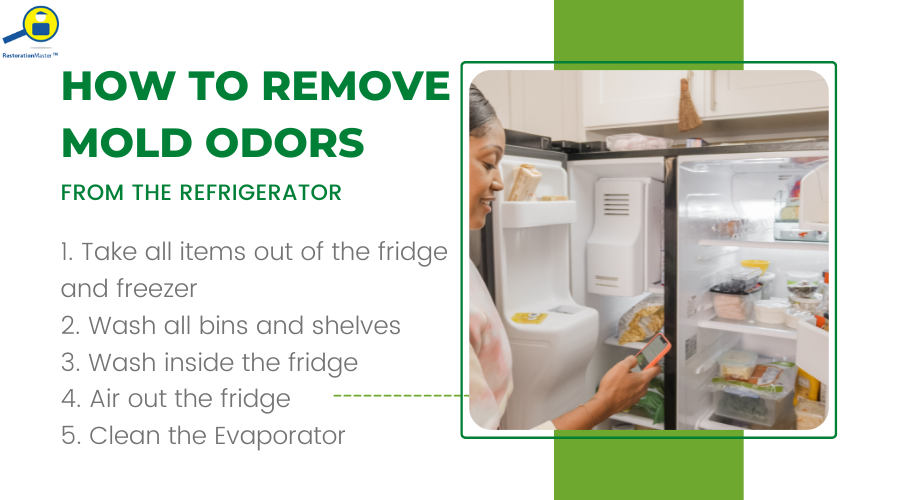
Start by unplugging the freezer. Remove all food items and place them in a cooler or another freezer. Take out shelves and drawers. This makes cleaning easier and more thorough.
Removing Mold Safely
Wear gloves and a mask to protect yourself from mold spores. Mix a solution of water and white vinegar or baking soda. Use a sponge or cloth soaked in the solution. Gently wipe the moldy areas. Avoid scrubbing too hard to prevent damage.
Wiping And Scrubbing
Use a soft brush or cloth to scrub areas with stubborn mold. Apply the cleaning solution again if needed. Clean all corners and crevices carefully. Rinse the cloth often to avoid spreading mold.
Drying The Interior
After cleaning, dry the freezer completely. Leave the door open for a few hours. Use a dry cloth to wipe any moisture. Make sure no dampness remains to stop mold from returning.
Preventing Future Mold Growth
Stopping mold from growing again in your freezer saves time and keeps food safe. Mold grows fast when conditions are right. Preventing those conditions helps keep your freezer clean and fresh.
Proper Food Storage
Store food in airtight containers or sealed bags. This stops moisture and mold spores from spreading. Label and date your food to use older items first. Avoid overcrowding to let air flow freely.
Maintaining Freezer Temperature
Keep your freezer at or below 0°F (-18°C). This temperature slows mold growth and keeps food fresh longer. Check the temperature with a freezer thermometer. Adjust settings if needed to stay consistent.
Regular Cleaning Tips
Clean your freezer every few months to stop mold buildup. Remove all food and unplug the freezer. Use a solution of water and baking soda to wipe surfaces. Dry completely before plugging back in and restocking.
Credit: restorationmasterfinder.com
When To Call A Professional
Cleaning mold from a freezer can be tricky. Some mold problems need more than just home cleaning. Knowing when to call a professional helps keep your freezer safe and clean. Professionals have the tools and skills to handle tough mold issues. This section explains when professional help is needed.
Severe Mold Infestation
Large patches of mold inside the freezer show a severe infestation. Mold that spreads deep into walls or seals is hard to remove. It may hide in places you cannot see or reach. Cleaning this mold without proper gear can spread spores and make health worse. Professionals use special cleaners and protective equipment. They ensure mold is fully removed and prevent future growth.
Persistent Odors
Strong, bad smells that stay after cleaning mean mold may still be inside. Mold can grow in hidden areas like vents or behind panels. These smells can affect food taste and cause breathing problems. A professional can find and remove mold in these hidden spots. They also use treatments to kill mold and stop odors for good.

Credit: www.youtube.com
Conclusion
Cleaning mold from your freezer keeps your food safe and fresh. Regular checks help stop mold from growing again. Use simple cleaning steps with safe products for best results. Dry the freezer well before turning it back on. A clean freezer saves money and prevents health risks.
Keep your freezer mold-free to enjoy fresh food every day. Simple care makes a big difference.