
Are you frustrated with freezer burn or food not staying as fresh as it should? It might be time to check your freezer’s temperature settings.
Knowing how to set the temperature on your freezer can make a big difference in preserving the quality and safety of your food. Imagine opening your freezer to perfectly preserved meals every time. Intrigued? You’re about to discover the simple steps you need to take control of your freezer’s performance.
With just a few tweaks, you can transform your freezer into a reliable ally in your kitchen. Let’s dive into the details so you can keep your food fresher for longer.
Ideal Freezer Temperature
The ideal freezer temperature is crucial for food safety and energy efficiency. Keeping your freezer set correctly ensures your food stays fresh. It also prevents waste and saves money. Understanding the right temperature can make a big difference. Let’s explore how to set it properly.
What Is The Ideal Freezer Temperature?
The ideal temperature for a freezer is 0°F (-18°C). This temperature keeps food safe and preserves its quality. Freezing at this level stops bacteria from growing. It also maintains the taste and texture of food.
Why Is 0°f Important?
At 0°F, food stays safe for a long time. Harmful bacteria can’t grow at this temperature. The food remains fresh and nutritious. Keeping the temperature steady is key. Fluctuations can cause freezer burn and food spoilage.
How To Check Your Freezer Temperature
Use a thermometer to check the freezer temperature. Place it between frozen items. Wait for a few hours for an accurate reading. If the temperature is above 0°F, adjust the settings. Make sure to check regularly.
Common Mistakes To Avoid
Don’t overcrowd the freezer. Air needs to circulate to keep a consistent temperature. Avoid placing hot food directly in the freezer. Let it cool to room temperature first. This prevents raising the freezer’s internal temperature.
Maintaining The Right Temperature
Keep the freezer door closed as much as possible. Frequent opening causes temperature fluctuations. Clean the freezer coils regularly. Dust and dirt can affect cooling efficiency. Check the door seals for any leaks. Good seals keep cold air in and warm air out.
Why Temperature Matters
Setting the right freezer temperature is crucial for food safety and quality. It prevents spoilage and maintains freshness. Keeping your freezer at 0°F (-18°C) ensures effective storage, reducing waste and saving money.
Maintaining the right temperature in your freezer isn’t just about keeping your ice cream from melting. It’s crucial for food safety and energy efficiency. A freezer set at the wrong temperature can lead to spoiled food, higher electricity bills, and even health risks. Understanding why temperature matters can help you make better choices for your home.What Happens When The Temperature Is Too High?
When your freezer runs too warm, bacteria can start to grow on your food. This not only spoils your groceries but also poses a health risk. Imagine opening your freezer to find thawed meat or melted ice cream. It’s a waste of money and a hassle you can avoid by setting the right temperature.The Impact Of A Too-cold Freezer
A freezer that’s too cold isn’t just bad for your wallet. It can cause freezer burn on your food, leading to a loss of taste and texture. Ever pulled out a piece of chicken only to find it dry and tasteless? That’s freezer burn at work. By keeping the temperature in the ideal range, you preserve both flavor and quality.Striking The Balance: The Ideal Freezer Temperature
So, what is the ideal temperature? Most experts recommend setting your freezer to 0°F (-18°C). This temperature keeps your food safe and retains its quality over time. You might wonder, does a degree or two really make a difference? It does, both for your food’s longevity and your electric bill.Energy Efficiency And Your Freezer
Running your freezer at the correct temperature can also save you money. A freezer that’s too cold works harder and uses more energy. When I adjusted my freezer to the recommended setting, my energy bill noticeably decreased. Are you leaving money on the table by ignoring this simple adjustment?How To Check And Adjust Your Freezer’s Temperature
Adjusting your freezer temperature is usually straightforward. Most models have a thermostat dial or digital setting. If you’re unsure, consult your freezer’s manual. Checking the temperature regularly ensures it stays at the optimal level. Do you regularly check your freezer’s temperature, or is it set and forgotten? By understanding why temperature matters, you can make informed decisions that keep your food safe, taste better, and save you money. Don’t let a simple oversight spoil your day—or your food.Adjusting Your Freezer Settings
Setting the right temperature in your freezer is crucial. It keeps your food fresh and safe. Adjusting your freezer settings can seem tricky at first. But with a little guidance, you can do it easily. Knowing where to find the controls is the first step. Understanding how they work comes next. Both manual and digital controls have their perks. Let’s explore how you can adjust your freezer settings for optimal performance.
Locating The Temperature Control
Finding the temperature control is essential for adjusting settings. It is usually inside the freezer or on the front panel. Look near the top or sides of the freezer compartment. Sometimes, the control is hidden behind a small cover. Check your freezer manual for exact locations. Once located, you can start adjusting the settings.
Manual Vs. Digital Controls
Manual controls are simple and easy to use. Turn the dial to set the temperature. Lower numbers mean warmer settings, higher numbers mean colder. Digital controls offer more precision. They often display the current temperature. You can set the exact temperature you want. This makes them user-friendly and accurate. Both types have their own advantages. Choose the one that suits your preference and need.

Credit: greenlivingideas.com
Signs Your Freezer Is Too Warm Or Cold
Setting the right temperature for your freezer is crucial to ensure your food stays fresh and safe. But how do you know if your freezer is too warm or too cold? There are some telltale signs that can guide you in adjusting your freezer’s temperature to the optimal level. You may notice changes in ice formation or food quality that indicate temperature issues.
Ice Formation Issues
Have you ever opened your freezer to find it resembling a winter wonderland? Excessive ice formation can be a sign your freezer is too cold. This can lead to frost buildup, making it difficult to open drawers or find items. On the flip side, if your ice cubes are melting or sticking together, your freezer might be too warm. Adjust the temperature dial a notch colder and observe the changes.
Food Quality Concerns
Does your frozen pizza taste more like cardboard than cheese? Food quality is a clear indicator of freezer temperature problems. If your frozen goods have freezer burn or an unusual texture, your freezer may be too cold. Conversely, if your ice cream is more soup than scoop, it’s likely too warm. Check the temperature setting—sometimes even a small adjustment can make a big difference.
Consider the convenience of meal prep. A perfectly set freezer ensures your meals remain as delicious as when you first stored them. Isn’t it frustrating to realize your favorite frozen meal has lost its flavor due to improper storage? Be mindful of these signs. They not only affect taste but also your grocery budget.
Think about your freezer like a guardian for your groceries. By maintaining the right temperature, you ensure your food remains fresh, tasty, and ready when you need it. Are you noticing any of these signs? It might be time to reevaluate your freezer settings. Your food, and your taste buds, will thank you.
Maintaining Consistent Temperature
Ensuring your freezer maintains a steady temperature is vital for food preservation. Set the dial between -18°C to -20°C. Adjust as needed for optimal cooling and energy efficiency.
Maintaining consistent temperature in your freezer is crucial for preserving the quality and safety of your food. Fluctuating temperatures can lead to spoilage, waste, and even pose health risks. By ensuring your freezer operates at a stable temperature, you save money and keep your food safe. Let’s dive into practical tips to help you achieve this.Regular Checks
Get into the habit of checking your freezer’s temperature regularly. Use a simple thermometer to ensure it stays around 0°F (-18°C). This is the ideal temperature for most freezers. Consider setting reminders on your phone or calendar to check every couple of weeks. It’s easy to forget, but these checks can prevent costly surprises. If you notice a change, investigate immediately. It could be as simple as a door left slightly open or a more significant issue needing repair.Avoiding Overloading
Be mindful of how much you store in your freezer. Overloading can obstruct air circulation and lead to inconsistent temperatures. Think of your freezer like a crowded elevator; everyone needs space to breathe. Proper air circulation ensures even cooling throughout. Try organizing your items with clear bins or shelves. This not only prevents overloading but also makes it easier to find what you need. Have you ever found a forgotten item in the back of your freezer? Keeping things organized can help you avoid this and ensure everything stays at the right temperature. By maintaining a consistent temperature, you protect your food and your health. What changes can you make today to ensure your freezer is running optimally?
Credit: www.youtube.com
Troubleshooting Temperature Problems
Setting the temperature on a freezer is crucial for food safety. Adjust the thermostat to maintain a consistent -18°C (0°F). Regularly check the settings to ensure optimal performance and avoid freezing issues.
If you’ve noticed your freezer isn’t maintaining the right temperature, you’re not alone. Temperature problems can lead to spoiled food and increased energy bills. Before you panic, there are simple steps you can take to troubleshoot these issues. Start by examining possible causes and consider whether you need professional help.Identifying Faulty Thermostat
The thermostat regulates your freezer’s temperature. If it’s faulty, your freezer may be too warm or too cold. Begin by checking if the thermostat is set to the correct temperature. Typically, a freezer should be at 0°F (-18°C). If adjusting the setting doesn’t help, the thermostat might be broken. Testing the thermostat can be a simple DIY task. Use a thermometer to check the actual temperature inside. If it doesn’t match the setting, you might need a replacement.Professional Assistance
Sometimes, fixing the problem yourself isn’t feasible. In cases where the thermostat is beyond repair or other internal components are malfunctioning, professional help is necessary. Hiring a technician can save you time and prevent further damage. They have the tools and knowledge to diagnose and fix the issue efficiently. But how do you know when to call for help? If you’ve tried adjusting the thermostat and nothing changes, it’s time to contact a professional. Don’t wait too long, as persistent temperature issues can spoil food quickly.Energy Efficiency Tips
Setting the freezer temperature correctly saves energy and preserves food. Aim for a temperature around 0°F (-18°C). Keeping it too cold wastes energy, while warmer settings risk spoilage. Adjusting to the right setting ensures efficiency and safety.
Setting the right temperature on your freezer is not only essential for preserving food quality but also plays a critical role in maintaining energy efficiency. When you focus on energy-saving practices, you can reduce electricity bills and contribute to a greener environment. These tips will guide you towards a more efficient freezer setup without sacrificing its performance.Optimal Placement
Where you place your freezer can dramatically impact its energy consumption. Position it away from heat sources like ovens or sunlight. This prevents the freezer from working harder to maintain its cool temperature. Have you considered the airflow around your freezer? Ensure there’s enough space on all sides for air circulation. This simple adjustment can enhance efficiency significantly.Reducing Energy Consumption
When adjusting the temperature, aim for the manufacturer’s recommended settings. Usually, it’s around 0°F (-18°C) for freezers. Did you know that setting it colder than necessary increases energy use? Think about the items you store. If your freezer is less packed, consider filling it with water bottles to maintain the cold temperature. This ensures less energy is needed to cool empty spaces. Regular maintenance also plays a part in energy efficiency. Clean the coils regularly to improve performance. And, always check the door seal for any gaps. A tight seal prevents cold air from escaping, reducing energy waste. By optimizing your freezer’s settings and placement, you can enjoy energy savings while keeping your food fresh. What changes will you make to enhance your freezer’s efficiency today?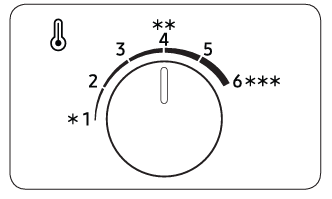
Credit: www.samsung.com
Conclusion
Setting the right freezer temperature is essential for food safety. It helps preserve freshness and flavor. Remember, the ideal freezer temperature is 0°F (-18°C). Regularly check and adjust the settings as needed. Also, keep the freezer clean and organized. This ensures efficient cooling and energy savings.
Consider using a thermometer to monitor accuracy. Proper maintenance extends the life of your freezer. Now, you’re equipped to manage your freezer effectively. Enjoy fresh and safe food storage with these simple tips. Always prioritize food safety and energy efficiency.
Happy freezing!