
Is your freezer not as cold as it should be? This can be frustrating and worrying, especially when your food starts to thaw or spoil.
You might be wondering if your frozen groceries are still safe or if your freezer is about to break down. Don’t panic—there are simple steps you can take to fix the problem before it gets worse. You’ll discover easy and effective ways to check why your freezer isn’t cold enough and what you can do right now to keep your food fresh and your freezer running smoothly.
Keep reading to protect your food and save money on costly repairs!

Credit: www.reddit.com
Check The Thermostat Setting
Checking the thermostat setting is a simple step to fix a freezer that is not cold enough. The thermostat controls the temperature inside the freezer. Sometimes, it might be set too high, causing the freezer to stay warm.
Before calling a technician, verify the thermostat setting. This can save time and money. Adjusting it to the correct level often solves the problem quickly.
Locate The Thermostat Control
Find the thermostat inside the freezer. It is usually a dial or digital control. Look near the top or side walls. The control might have numbers or a temperature scale.
Check The Current Temperature Setting
Read the thermostat setting carefully. The ideal freezer temperature is around 0°F (-18°C). Settings higher than this can cause the freezer to be too warm. Lower the setting if needed.
Adjust The Thermostat Properly
Turn the dial or use the buttons to lower the temperature. Make small changes and wait 24 hours. This gives the freezer time to reach the new temperature. Avoid turning it too low at once.
Observe The Freezer After Adjustment
Check if the freezer becomes colder after a day. Use a thermometer inside the freezer for accuracy. If the temperature stays warm, the thermostat may be faulty.
Inspect Door Seals
One common cause of a freezer not staying cold is a faulty door seal. The door seal keeps cold air inside and warm air out. If the seal is damaged or dirty, cold air can escape, making the freezer less cold. Checking the door seals is a simple step that can improve freezer performance.
Look For Cracks And Gaps
Examine the door seals closely for any cracks or gaps. Even small tears can let cold air leak out. Press along the seal to check for soft spots or areas that do not stick well. If you find damage, the seal may need replacing to keep your freezer cold.
Clean The Seals Properly
Dirt and grime can stop the seal from closing tightly. Wipe the door seals with warm, soapy water and a soft cloth. Remove all food residue and sticky spots. Dry the seals completely to help them stick better. Clean seals keep the cold air inside and improve freezer efficiency.
Clear Air Vents
Clear air vents play a key role in keeping your freezer cold. Air vents let cold air flow inside. When vents are blocked, cold air cannot move freely. This stops your freezer from cooling well. Check vents often to keep them clear. This helps maintain the right temperature. Follow these steps to clear the air vents.
Remove Blockages
Look inside the freezer for items blocking vents. Food packages or ice buildup can block air flow. Move items away from the vents gently. If there is frost or ice, defrost the freezer. Use warm water or a cloth to melt ice. Avoid sharp tools to prevent damage. Clear vents allow cold air to move freely.
Ensure Proper Air Circulation
Arrange food so air can move around easily. Do not pack the freezer too tightly. Leave space between items and vents. Proper air flow keeps temperature even. Check vents regularly to keep them open. Good circulation helps the freezer stay cold. It also prevents frost and ice buildup.

Credit: www.youtube.com
Defrost The Freezer
Defrosting the freezer is a key step when it is not cold enough. Ice buildup inside the freezer blocks proper air circulation. This causes the freezer to lose its cooling power. Removing the ice restores the freezer’s ability to keep food cold and fresh.
Identify Ice Buildup
Look inside the freezer for thick layers of ice. Check corners and around the door seal. Ice can form on walls and shelves too. Even a small amount of ice can reduce cooling. Notice frost or ice that looks hard and white. This means it is time to defrost.
Safe Defrosting Methods
Turn off the freezer and unplug it. Remove all food and store it in a cooler. Leave the freezer door open to let the ice melt. Use towels to catch water from melting ice. Do not use sharp objects to chip the ice. This can damage the freezer walls. Use a bowl of warm water inside to speed melting. Wipe the freezer dry after all ice is gone. Plug the freezer back in and turn it on. Wait until it reaches the right cold level before adding food again.
Check The Condenser Coils
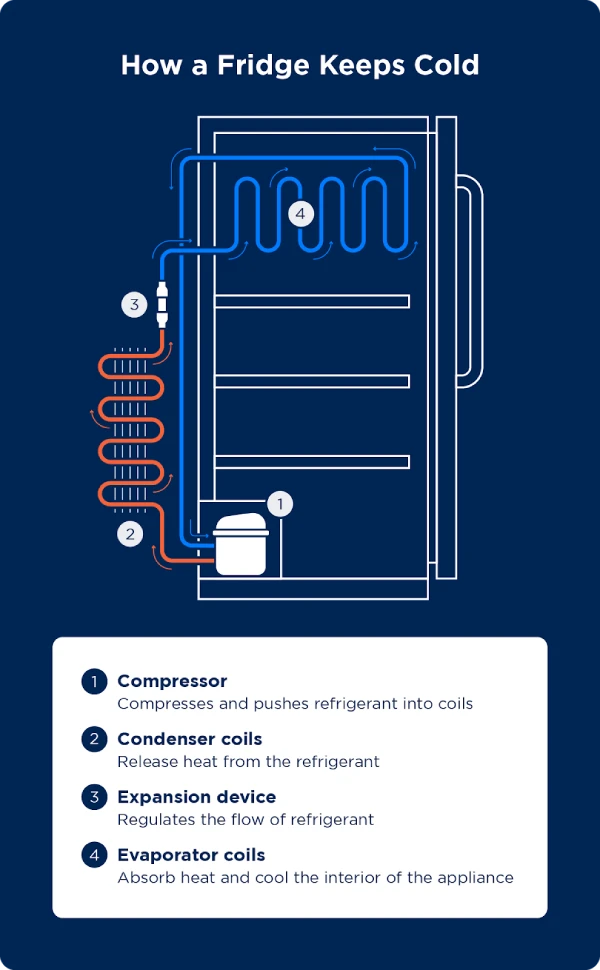
Checking the condenser coils is important when the freezer is not cold enough. These coils help release heat from the freezer. If they get dirty, the freezer works harder and cools less. Cleaning the coils can improve cooling and save energy.
Locate The Coils
Find the condenser coils before cleaning. They are usually at the back or underneath the freezer. Some freezers have a cover you need to remove. Use a flashlight to see the coils clearly. Knowing their location makes cleaning easier and safer.
Clean Dirt And Dust
Turn off and unplug the freezer first. Use a vacuum with a brush attachment to remove dust. Gently brush the coils to clear dirt. Avoid bending or damaging the coils. Clean the coils every six months for best results.
Credit: www.mrappliance.com
Evaluate The Freezer Load
Evaluating the freezer load is a key step when the freezer is not cold enough. A crowded freezer blocks air circulation. Poor air flow stops cold air from reaching all items. This leads to uneven cooling and warmer spots inside. Checking how much and how items are arranged helps improve freezer performance.
Avoid Overpacking
Overpacking the freezer stops cold air from moving freely. Leave some space between items. This space lets cold air flow around food. Avoid stuffing the freezer to the top. Too many items make the freezer work harder. It reduces efficiency and cooling power.
Organize Items Efficiently
Place items in a way that supports air flow. Store similar items together. Keep heavy or large items at the bottom. Use bins or baskets to group small items. This keeps the freezer neat and easy to access. A well-organized freezer cools better and saves energy.
Test The Freezer Fan
The freezer fan moves cold air throughout the freezer. It keeps the temperature even. A broken fan can cause the freezer to feel warm. Testing the freezer fan helps find problems fast. This step saves time and money on repairs.
Listen For Fan Noise
Open the freezer door and listen closely. The fan should make a soft humming sound. No noise may mean the fan is not working. Sometimes, a clicking or grinding sound shows a problem. These noises mean the fan may be stuck or damaged.
Replace If Malfunctioning
If the fan does not work or sounds strange, replace it. Turn off the freezer first. Remove the freezer panel to access the fan. Take out the old fan carefully. Install a new fan that fits your model. This fix helps the freezer cool properly again.
Inspect The Evaporator Coils
Inspecting the evaporator coils is important when the freezer is not cold enough. These coils help absorb heat from inside the freezer. If they are dirty or covered in frost, the freezer cannot cool properly. Checking these coils is a simple step that can help find the problem fast.
Check For Frost Accumulation
Look closely at the evaporator coils inside the freezer. Frost or ice may cover the coils. This buildup blocks cold air from spreading. Frost appears as white or cloudy ice layers. Thick frost means the coils need attention to work well again.
Thaw If Necessary
Turn off the freezer to thaw the coils if frost is heavy. Leave the door open for a few hours. The ice will melt naturally and clear the coils. Avoid using sharp tools to remove ice. After thawing, turn the freezer back on and check the temperature. This can help the freezer cool better.
Examine The Defrost System
Examining the defrost system is important when your freezer is not cold enough. This system stops frost build-up, which can block cold air. Frost can make the freezer work harder and reduce its cooling power. Checking the defrost system helps find hidden problems that affect freezing.
Check Defrost Timer
The defrost timer controls when the freezer defrosts. It switches the freezer between cooling and defrosting modes. If the timer is broken, frost can build up too much. Look for a timer that does not move or makes strange noises. Testing the timer with a multimeter shows if it works well. Replace the timer if it fails the test.
Inspect Defrost Heater
The defrost heater melts frost inside the freezer. A bad heater means frost stays on the coils. This frost blocks cold air and stops proper cooling. Check the heater for breaks or burn marks. Use a multimeter to check for electrical continuity. Replace the heater if it does not have continuity.
When To Call A Technician
Knowing when to call a technician saves time and avoids bigger problems. Some freezer issues need expert care. Small fixes might help, but some signs show it is time to get professional help. Acting fast can stop food spoilage and higher repair costs.
Signs Of Compressor Issues
The compressor is the freezer’s heart. If it fails, the freezer stops cooling properly. Listen for strange noises like clicking or humming. Notice if the freezer runs constantly without cooling well. Warm spots inside the freezer also point to compressor problems. Another sign is ice buildup on coils that never melts. These issues need a technician’s attention fast.
Professional Repair Tips
Technicians check the compressor and sealed system for leaks or damage. They test electrical parts and refrigerant levels. Repairing a compressor requires special tools and skills. Avoid trying to fix it yourself. A pro can replace faulty parts safely. They also clean coils and check door seals. Regular service by a technician can extend your freezer’s life.
Frequently Asked Questions
Why Is My Freezer Not Cold Enough?
A freezer may not be cold enough due to a dirty condenser coil, faulty thermostat, or blocked vents. Check these components for dust, damage, or obstructions to restore proper cooling.
How Can I Fix A Freezer That’s Too Warm?
Start by defrosting the freezer, cleaning the coils, and checking the door seal. Adjust the thermostat if necessary. If problems persist, call a professional technician.
Can Overloading Affect Freezer Temperature?
Yes, overloading restricts air circulation, causing uneven cooling. Avoid packing the freezer too tightly. Leave space for air to flow freely to maintain consistent cold.
Does A Faulty Door Seal Cause Temperature Issues?
Absolutely, a damaged or loose door seal lets warm air in. Inspect the seal for cracks or gaps and replace it if needed to keep your freezer cold.
Conclusion
A freezer not cold enough can spoil your food quickly. Check the door seal and clean the coils regularly. Avoid overloading the freezer to allow proper air flow. Adjust the temperature settings to the recommended level. If problems continue, consider calling a repair expert.
Acting fast helps save your groceries and money. Keep your freezer in good shape for longer food freshness. Simple care makes a big difference. Don’t ignore signs of trouble. Stay ahead and keep your freezer working well.